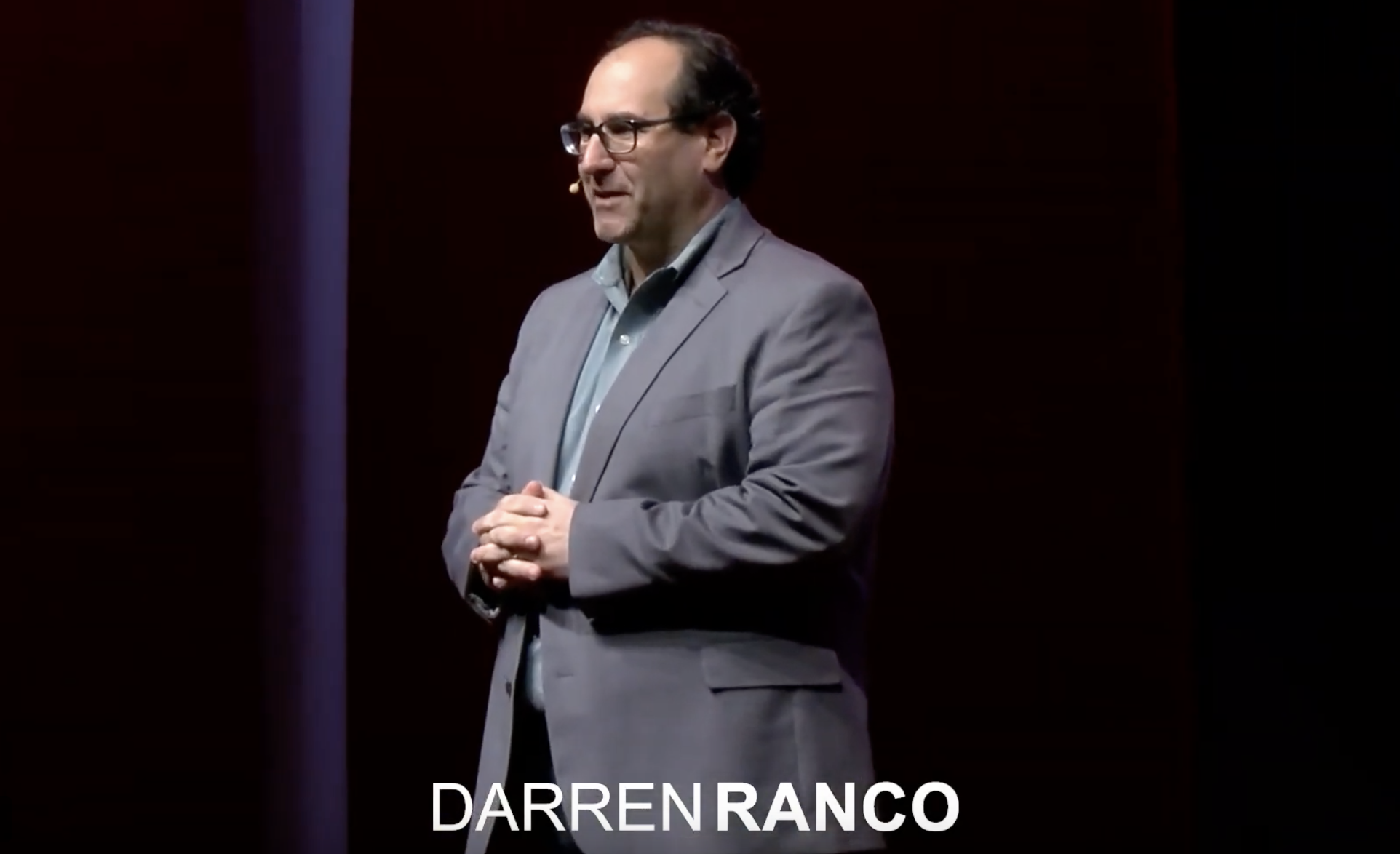
Wabanaki basket making is the oldest documented arts tradition in New England, and an important economic and cultural practice - and it is at risk of being destroyed. The tree the basket makers rely on, the Brown Ash, is currently threatened by an invasive species. Dr. Ranco narrates this threat and examines the use of Wabanaki diplomacy to guide the process of problem-solving between groups of people who use different forms of knowledge and have distinctly different stakes in the outcome. Darren J. Ranco, citizen/member of the Penobscot Nation, is an Associate Professor of Anthropology and Chair of Native American Programs at the University of Maine. Since 2009, he has been the project leader of the Brown Ash/Emerald Ash Borer project in the Mitchell Center. He has a Masters of Studies in Environmental Law from Vermont Law School and a PhD in Social Anthropology from Harvard University. Dr. Ranco’s research focuses on Wabanaki protection of cultural and natural resources. He teaches classes on indigenous intellectual property rights, research ethics, environmental justice and tribal governance. The son of Nelson Newell Ranco and May Ranco, he grew up in Orono and currently resides in Hampden. This talk was given at a TEDx event using the TED conference format but independently organized by a local community.